Interlocking Pavers vs. Poured Concrete for Commercial Properties
People searching for interlocking pavers installation are often looking to enhance durability and appearance, and local contractors can expertly install these options for commercial properties.
Choosing the right surface material for commercial property landscapes can significantly impact durability, appearance, and maintenance needs. For property owners exploring options like interlocking pavers versus poured concrete, understanding the practical benefits of each can help inform a smart decision. Whether considering the visual appeal, long-term upkeep, or repair flexibility, many local contractors offer expert guidance and installation services tailored to these specific materials, ensuring the results meet the unique needs of commercial spaces.
As commercial properties often experience high foot traffic and varying weather conditions, selecting the appropriate paving solution is crucial. Interlocking pavers and poured concrete each have distinct advantages, and local service providers can help evaluate which option aligns best with a property’s operational demands and aesthetic goals. Continuing to read can provide valuable insights into how these materials compare and how professional installation can optimize their performance for commercial settings.
- Commercial parking lots - when businesses need durable, low-maintenance surfaces that can withstand heavy vehicle traffic, local contractors often recommend interlocking pavers or poured concrete based on durability and design preferences.
- Walkways and pathways - for aesthetic appeal and ease of installation, service providers may suggest interlocking pavers for decorative patterns or poured concrete for a seamless look.
- Outdoor retail spaces - when creating attractive, functional surfaces for customer areas, local pros evaluate the benefits of interlocking pavers versus poured concrete for slip resistance and visual impact.
- Loading zones and service areas - for areas requiring high load capacity and longevity, local contractors consider the structural strength and maintenance needs of each material type.
- Commercial plazas and courtyards - when designing large open spaces, service providers help choose between interlocking pavers and poured concrete to balance aesthetics, durability, and cost.
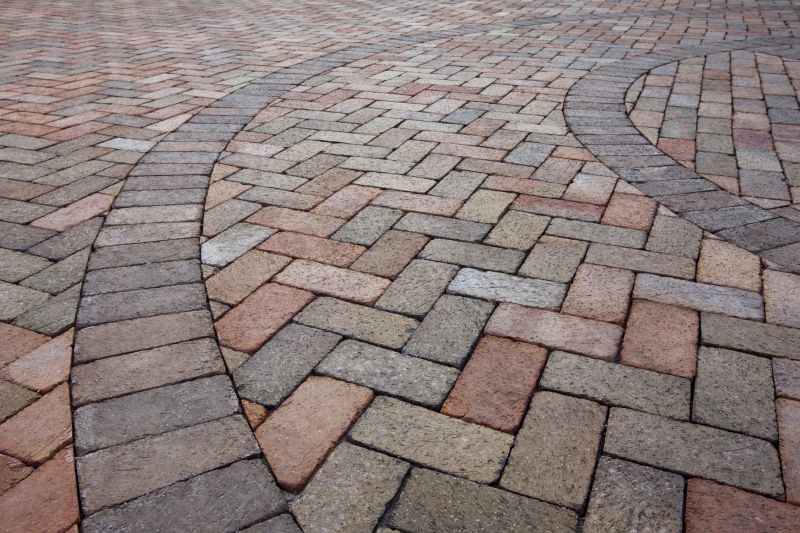
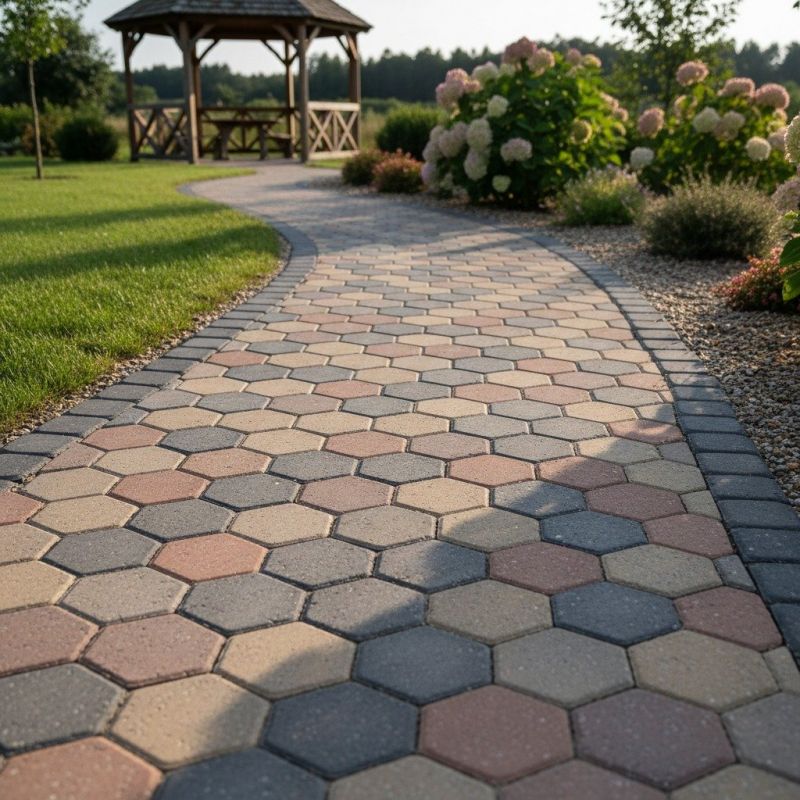
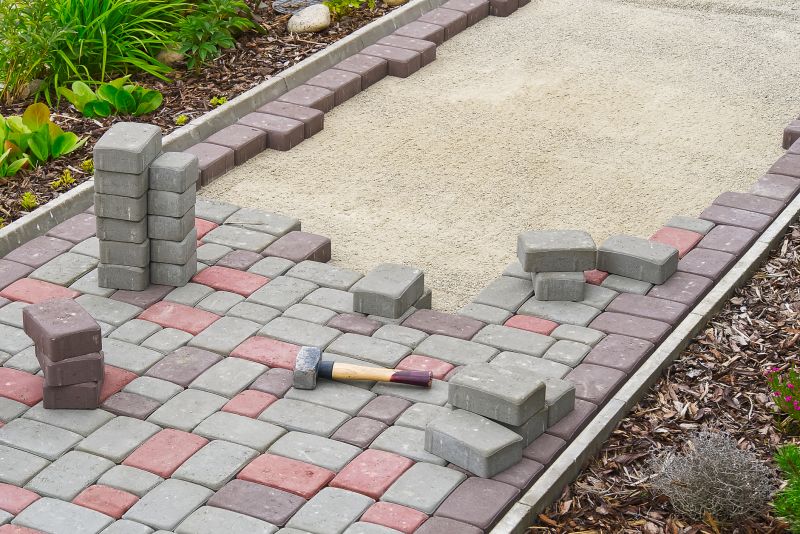
When people search for information about interlocking pavers vs. poured concrete for commercial properties, they are often trying to understand which material will best suit their project’s needs. This comparison typically arises when property owners or managers are planning to improve or replace outdoor surfaces such as parking lots, walkways, driveways, or plazas. The goal is to find a durable, attractive, and cost-effective solution that can withstand foot and vehicle traffic while maintaining a professional appearance. The search often reflects a desire to weigh the advantages and disadvantages of each option, considering factors like longevity, maintenance, aesthetic appeal, and installation complexity.
These topics relate closely to property improvement plans, site upgrades, or new construction projects for commercial properties. Whether upgrading a shopping center’s parking area, enhancing the entrance of an office complex, or designing a durable outdoor space for a restaurant or retail location, choosing the right paving material is a critical decision. Property owners may also be concerned about how each option handles heavy loads, resists cracking, or allows for future expansion or repairs. The choice between interlocking pavers and poured concrete often hinges on these practical considerations, and understanding the differences helps ensure the project aligns with long-term goals.
Commercial properties that frequently come up in this context include retail centers, office parks, hospitality venues, government buildings, and industrial sites. These properties often require surfaces that combine visual appeal with resilience, as they see high traffic volumes and need to project a professional image. Parking lots, walkways, courtyards, and loading areas are common areas where the decision between interlocking pavers vs. poured concrete becomes especially relevant. Local contractors specializing in paving installation can provide guidance tailored to these property types, helping property owners select the best material based on usage, budget, and aesthetic preferences.
Understanding how interlocking pavers installation pros fit into this picture is essential for property owners making an informed choice. These professionals specialize in installing durable, visually appealing paver systems that can be customized to match a property’s style. They also handle the preparation, installation, and finishing processes necessary for a long-lasting surface. For property owners weighing the options, connecting with experienced local service providers can ensure the chosen material is installed correctly and efficiently, ultimately supporting the property's functional and aesthetic needs. This makes it easier to compare options and find a contractor who can deliver a quality result aligned with the project’s requirements.
Parking lot resurfacing - local contractors experienced in paving can provide insights into material choices and installation techniques relevant to interlocking pavers vs. poured concrete for commercial properties.
Sidewalk and walkway construction - projects involving durable, accessible pathways often require planning and materials similar to those used in interlocking pavers installation services.
Outdoor plaza and courtyard design - designing large paved areas involves similar skills in layout, surface preparation, and material selection as those used in paver and concrete installations.
Loading dock and driveway paving - local service providers can assist with durable surfacing options, considering the benefits and limitations of interlocking pavers versus poured concrete for commercial needs.
Landscape and hardscape installation - projects that incorporate paved surfaces and features often require planning and execution skills comparable to interlocking pavers installation services.
Industrial paving projects - large-scale surface installations for warehouses and factories involve similar planning, site prep, and material handling as commercial paver and concrete work.
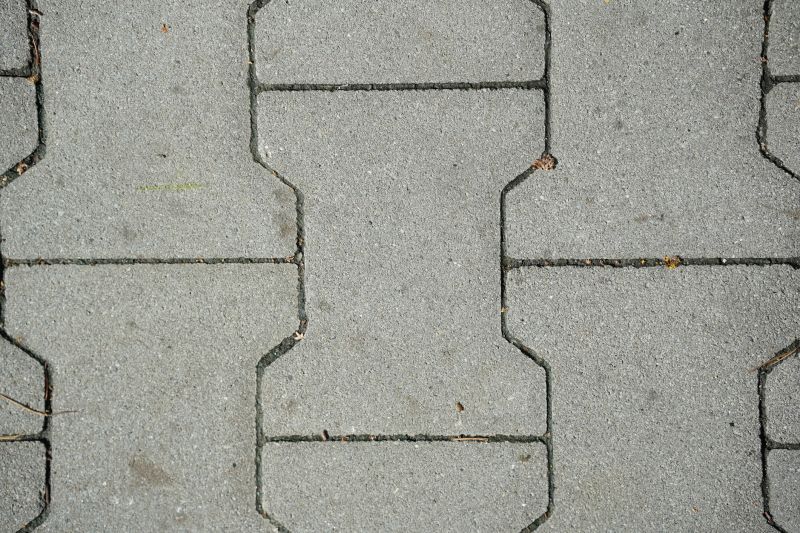
When comparing contractors for interlocking pavers installation versus poured concrete for commercial properties, it is essential to evaluate their experience with similar projects. Homeowners should seek service providers who have a proven track record of handling commercial-scale installations, particularly those involving interlocking pavers. An experienced contractor will understand the unique challenges of commercial environments, such as heavy foot or vehicle traffic, and be able to demonstrate familiarity with the specific techniques required to ensure durability and aesthetic appeal. Reviewing portfolios or project lists can help gauge whether a local contractor has the relevant background to meet the demands of interlocking pavers versus poured concrete projects.
Clear written expectations are vital when selecting a service provider for this type of work. Homeowners should look for contractors who provide detailed proposals outlining the scope of work, materials to be used, and the projected timeline. This transparency helps ensure that both parties have aligned expectations and reduces the potential for misunderstandings. When considering interlocking pavers installation, it is especially important to clarify aspects such as surface preparation, joint filling, and maintenance requirements, as these can differ significantly from poured concrete. Well-communicated plans contribute to a smoother project process and a final result that matches the homeowner’s vision.
Reputable references and effective communication are critical factors in choosing the right local contractor. Homeowners are encouraged to ask for references from previous commercial projects similar in scope and material to interlocking pavers or poured concrete. Speaking with past clients can provide insights into the contractor’s reliability, work quality, and ability to handle any unforeseen issues. Additionally, good communication throughout the planning and execution stages helps ensure that questions are answered promptly and concerns addressed. Service providers who prioritize clear, ongoing dialogue are more likely to deliver a successful project that aligns with the homeowner’s goals for their commercial property.
Property owners often search for interlocking pavers vs. poured concrete for commercial properties when they are planning practical projects around their homes and businesses. Local pros provide Interlocking Pavers Installation services for everyday jobs and straightforward project options.
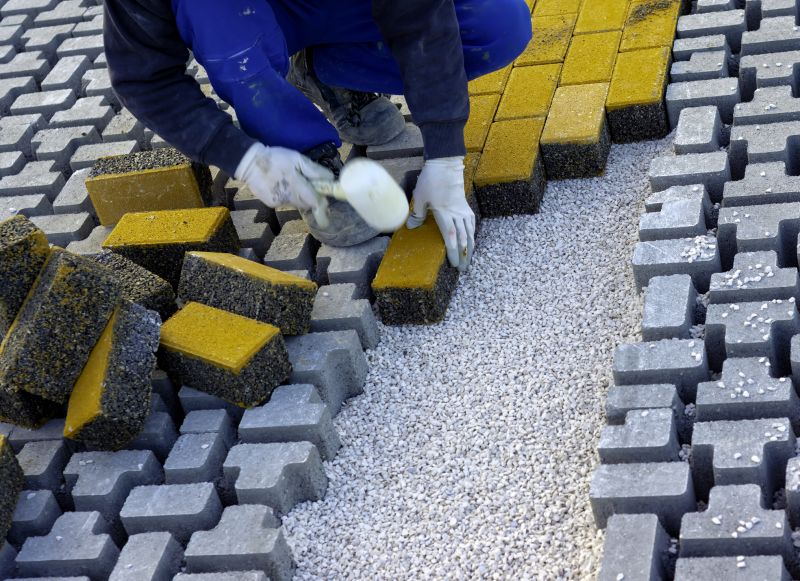
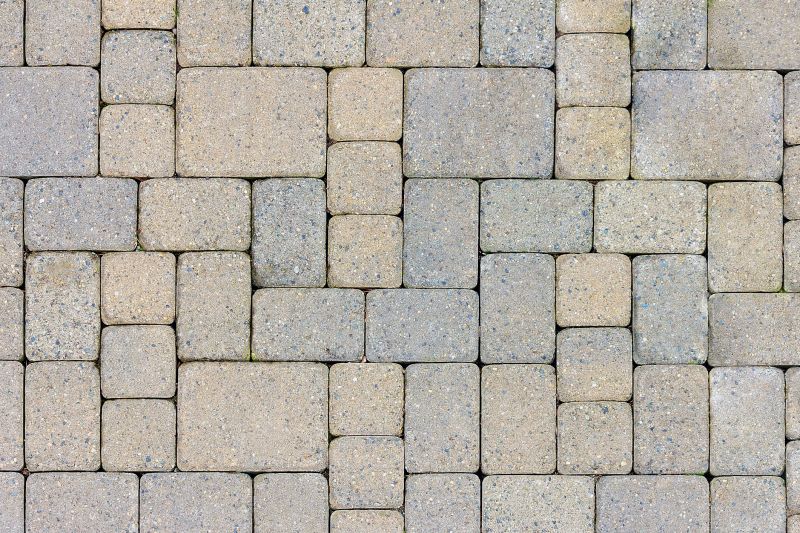
When considering options for upgrading or installing a durable surface for commercial properties, property owners often compare interlocking pavers vs. poured concrete. Interlocking pavers are known for their versatility and aesthetic appeal, making them a popular choice for walkways, parking lots, and outdoor seating areas. They are relatively straightforward to install, especially for smaller or mid-sized projects, and can be easily replaced if damaged over time. Poured concrete, on the other hand, offers a seamless, smooth surface that can be poured in large sections, making it suitable for expansive areas like driveways or large patios. Local contractors can help property owners evaluate which material aligns best with their project needs, budget, and desired appearance.
For property owners weighing the benefits of interlocking pavers vs. poured concrete for commercial properties, durability and maintenance are often key considerations. Interlocking pavers tend to be more forgiving under heavy traffic or shifting ground, as individual units can move slightly without cracking the entire surface. This can reduce long-term repair costs and downtime. Poured concrete provides a solid, continuous surface that is generally easier to clean and maintain, but it may be more prone to cracking if the ground beneath shifts or settles. Local service providers can offer guidance on which option might deliver the best performance and longevity based on the specific conditions of the property, helping owners make informed decisions for their outdoor spaces.
What are the main differences between interlocking pavers and poured concrete for commercial properties? Interlocking pavers consist of individual units that can be replaced if damaged, offering flexibility and aesthetic variety. Poured concrete creates a seamless surface that is durable but less forgiving to cracks or repairs. Local contractors can help determine which option best suits the specific needs of a commercial property.
How does the installation process vary between interlocking pavers and poured concrete? Installing interlocking pavers involves preparing a base, laying the pavers, and ensuring proper interlock, which allows for easier repairs. Poured concrete requires a form-finished pour that sets into a continuous surface. Service providers experienced in both can advise on the best approach for the project.
Which material offers better durability for high-traffic commercial areas? Poured concrete generally provides a high level of durability for heavy traffic, but interlocking pavers are also quite durable and can better withstand ground movement without cracking. Local pros can assess the specific traffic conditions to recommend the most suitable material.
Can interlocking pavers be customized to match the aesthetic of a commercial property? Yes, interlocking pavers come in various colors, shapes, and patterns, allowing for greater customization. Poured concrete can also be tinted or stamped for decorative effects, and local contractors can help achieve the desired look.
What maintenance considerations are associated with interlocking pavers versus poured concrete? Interlocking pavers may require periodic re-sanding and cleaning but are easier to repair if damaged. Poured concrete typically needs sealing and crack repair over time. Service providers can offer guidance on maintenance practices for each option.
Durability considerations - Property owners can evaluate the long-term resilience of interlocking pavers versus poured concrete to choose the best option for high-traffic areas. Local contractors can provide insights on which material withstands daily wear and tear effectively.
Design flexibility - Business owners can explore creative layout options with interlocking pavers to enhance curb appeal and branding. Local service providers can assist in customizing patterns and colors to match the property's aesthetic.
Installation practicality - Commercial properties with uneven surfaces or existing structures may benefit from the easier installation process of interlocking pavers. Local pros can assess site conditions and recommend suitable paving solutions.
Maintenance needs - Decision-makers can consider ongoing upkeep requirements for each material to ensure long-term functionality. Local contractors can advise on maintenance practices and help plan for future repairs or replacements.
If you are thinking about interlocking pavers vs. poured concrete for commercial properties for a property, this guide is meant to help you understand this topic, the typical project types, and how different options might fit your plans.
When you are ready, you can use the quote form on this page to share a few details about your project. From there, local pros can review the basics and follow up with options that match what you have in mind.